

Conveyor belts are a common sight in many factories and workplaces because they are among the best ways of moving bulk materials. However, because there are numerous people working alongside the belt, there’s always the chance of injury – serious or slight – or even death if the employees don’t know how to work with it safely.
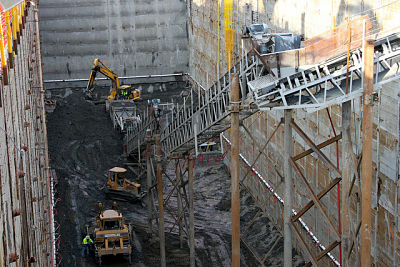 Image Credit: Oran Viriyincy via Flickr
Conveyor Safety
A fundamental duty of any management team is to train its employees so that they know how to operate the belt safely and how to move around it and interact with it. Even high-quality conveyor equipment carries dangers due to the nature of its operation, so the workplace must offer training so staff members understand how careful they must be.
Here are some tips for management and shopfloor staff alike, so that everyone works safely around this vital piece of equipment.
- There should a clearly audible signal given before the conveyor belt is started up.
- If a worker or team is at a remote spot, there should be an emergency stop switch within easy reach.
- The emergency stop switch should be wired so that the belt can’t start up again unless the actuator switch has been reset to run in the ON position.
- Screw conveyors must be behind guards so workers can’t come into contact with the turning flights.
Wherever employees have to work underneath conveyors – in aisles, work areas or passageways, there must be guards in place to prevent items falling from the belt. These areas must also be clearly signposted. - During maintenance or repair periods, the conveyor must be made inoperable and clearly flagged with “do not operate” signs.
- These rules also apply to site visitors who may not have had the relevant training, so they should be briefed and accompanied by management throughout their visit.
Other rules that keep employees safe include:
- Only using authorised personnel to maintain or repair the conveyor;
- Never sitting, walking or riding on the belt;
- Never removing guards from the belt – they perform the vital function of protecting workers from gears and chains;
- Knowing the location of all start and stop controls and making sure these locations are free from any obstructions;
- Only cleaning when the conveyor is stopped;
- Reporting unsafe practices to supervisors, and
- Never placing loads on a stopped conveyor or overloading a running one.
In addition to these rules, the area around the belt should always be clear of tripping hazards, spills and debris.
No-one should perform any maintenance tasks until all energy sources – electrical, hydraulic and even gravity – have been turned off, blocked or otherwise prevented.
Everyone operating or working near or with the belt should have the right personal protective equipment (PPE). This may include gloves with good grips, safety glasses for hazardous materials and back supports if the items on the belt are heavy. Workers should also tie back hair, avoid loose clothing and keep fingers away from the conveyor belt. Safe lifting postures and practices should be instilled in the workforce, too, to avoid long-term injuries or even sudden ones that may put someone in danger.