

Every parent dreads getting a phone call from their teen saying that they’ve been in a car accident. While car accidents are stressful and can be scary, especially if you can’t be there in person for your teenager, you can guide them through the steps and tell them everything they need to know in the event of an accident.
Stay Calm and Encourage Your Teen to Stay Calm
If your teen calls you at work and tells you that they were just rear-ended by another driver, it’s important to stay calm and encourage your teen to take a deep breath and remain calm. Whether the accident was your teen’s fault or the fault of another driver, getting angry won’t help. What’s more important is that your teen is safe and okay.
Depending on the laws in your state, you may be advised not to move your car at the scene of an accident. If it’s okay for your teen to move the vehicle, encourage them to move it someplace safer (but still at the scene).
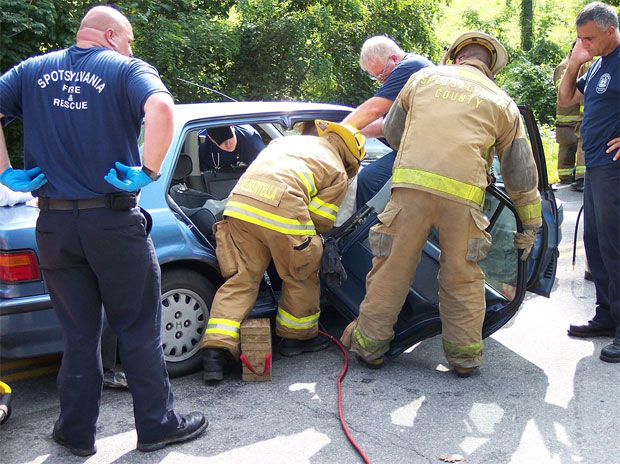
Tell Your Teen to Call 911
Even if your teen has a minor injury, tell them to call 911. Anyone who is injured in the accident, whether it’s your teen, one of their passengers, or another motorist, should be checked out by a medical professional right away.
Dallas car accident attorney, Tim Tate, encourages anyone who is involved in a car accident to seek medical attention right away. If your teen sustains injuries in the crash, you may have a personal injury claim and can receive compensation for the injuries, but proper documentation of the injuries is essential.
If there’s no need for medical attention, your teen should still the police and report the accident.
Document Any Evidence
Documenting any evidence of accident damage or certain details at the scene of the accident can be helpful for any accident or personal injury claims. VA car accident lawyer, Edwin S. Booth, recommends taking pictures of any damage on the car, collecting information from the other driver or witnesses, and even recording video or audio of your teen’s recollection of what happened.
Recounting accurate details of an event, like a car accident, can be more difficult after days or weeks, so it’s best for your teen to document evidence as soon as possible. Any evidence can be beneficial when dealing with the insurance company or if you have a personal injury case.
Exchange Information
Even if the accident was minor and there were no injuries, your teen should still exchange contact information with any driver that was involved in the accident.
Howard Spiva, car wreck attorney in Savannah, GA, says that exchanging information is crucial in any kind of accident just in case your teen ends up having injuries related to the accident or if the other driver has a personal injury claim.
Support Your Teen
After your teen is involved in an accident, they may be scared to drive for a while or even have some emotional distress. Be patient with them and support them through the process. It’s crucial to be a part of every conversation from talking to police officers and insurance agents to a personal injury lawyer if you need one.